October 26th
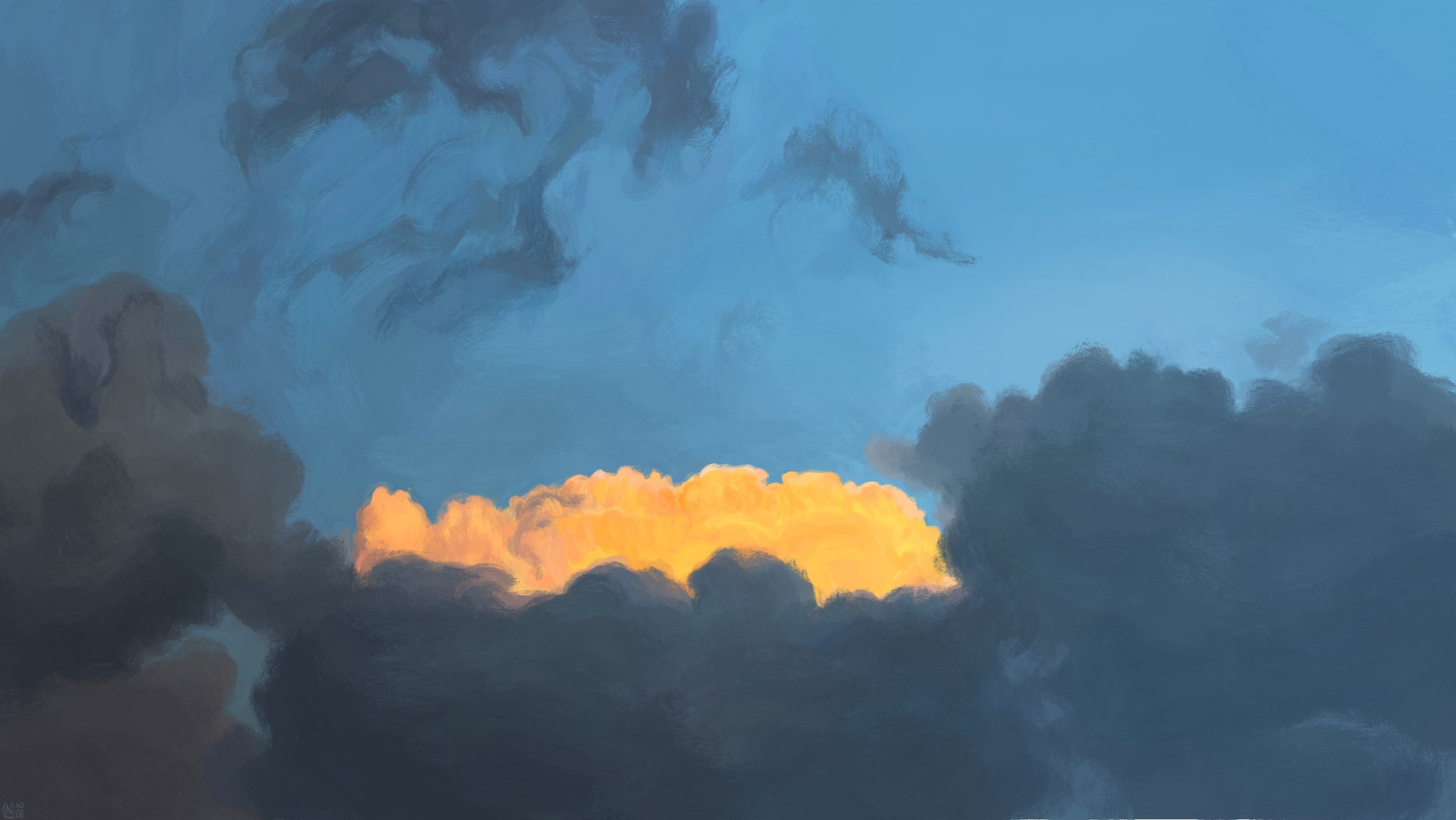
We report: in the past few days, clear skies have been hidden, revealed only parsimoniously through veils and gaps. At sunset, in the drizzle, the western horizon is all grey, but there is plenty more to look at elsewhere. In a brief gust of wind, we catch a piece of sunshine.
October 25th
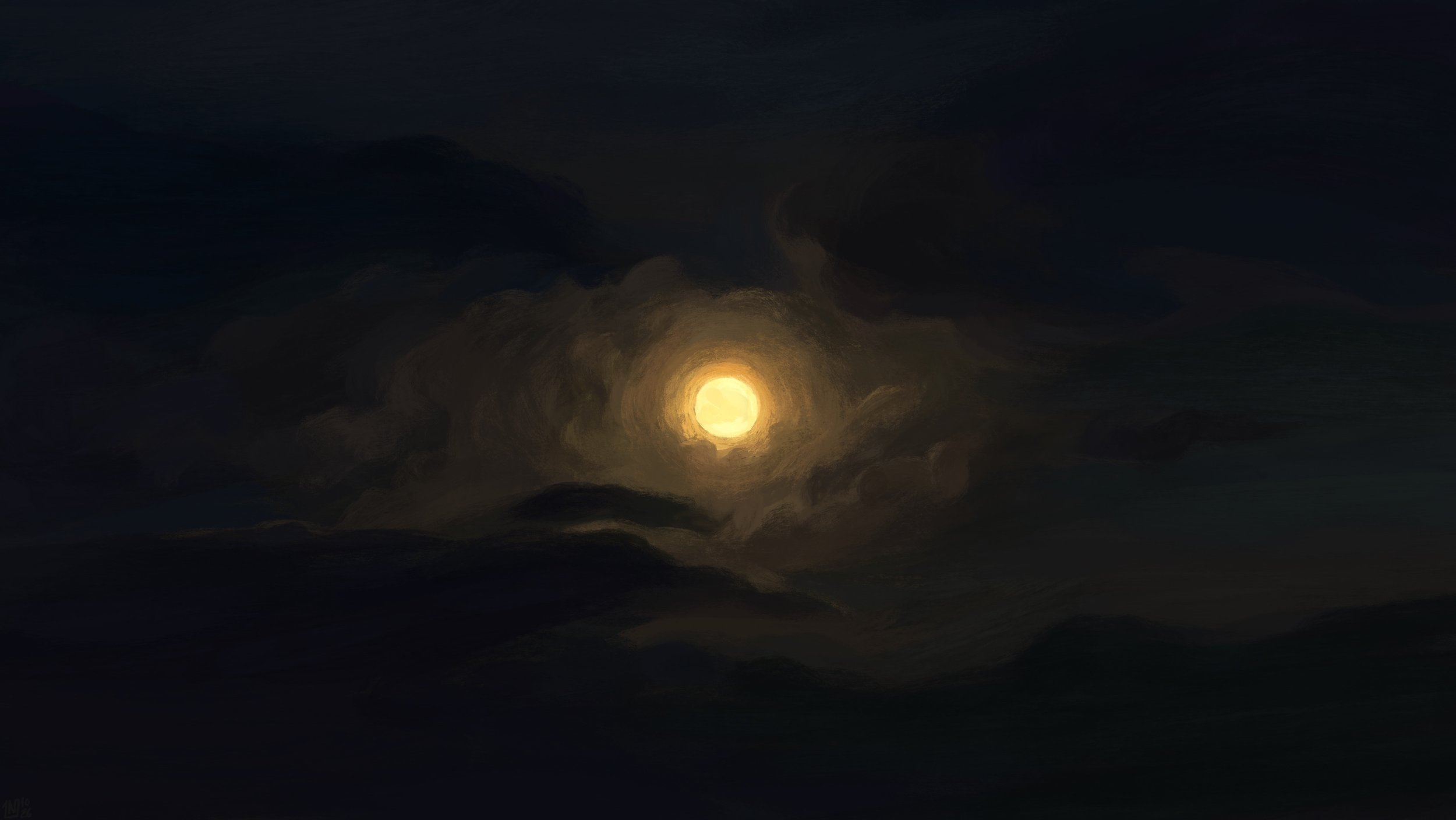
We report: the moon will be full in a few hours, but it is not yet the bright floodlight that we are used to on clearer nights. Although the cloud cover is thin, it still manages to dim the moonlight. In a way, we feel grateful; it is easier to observe the craters like this.
October 24th
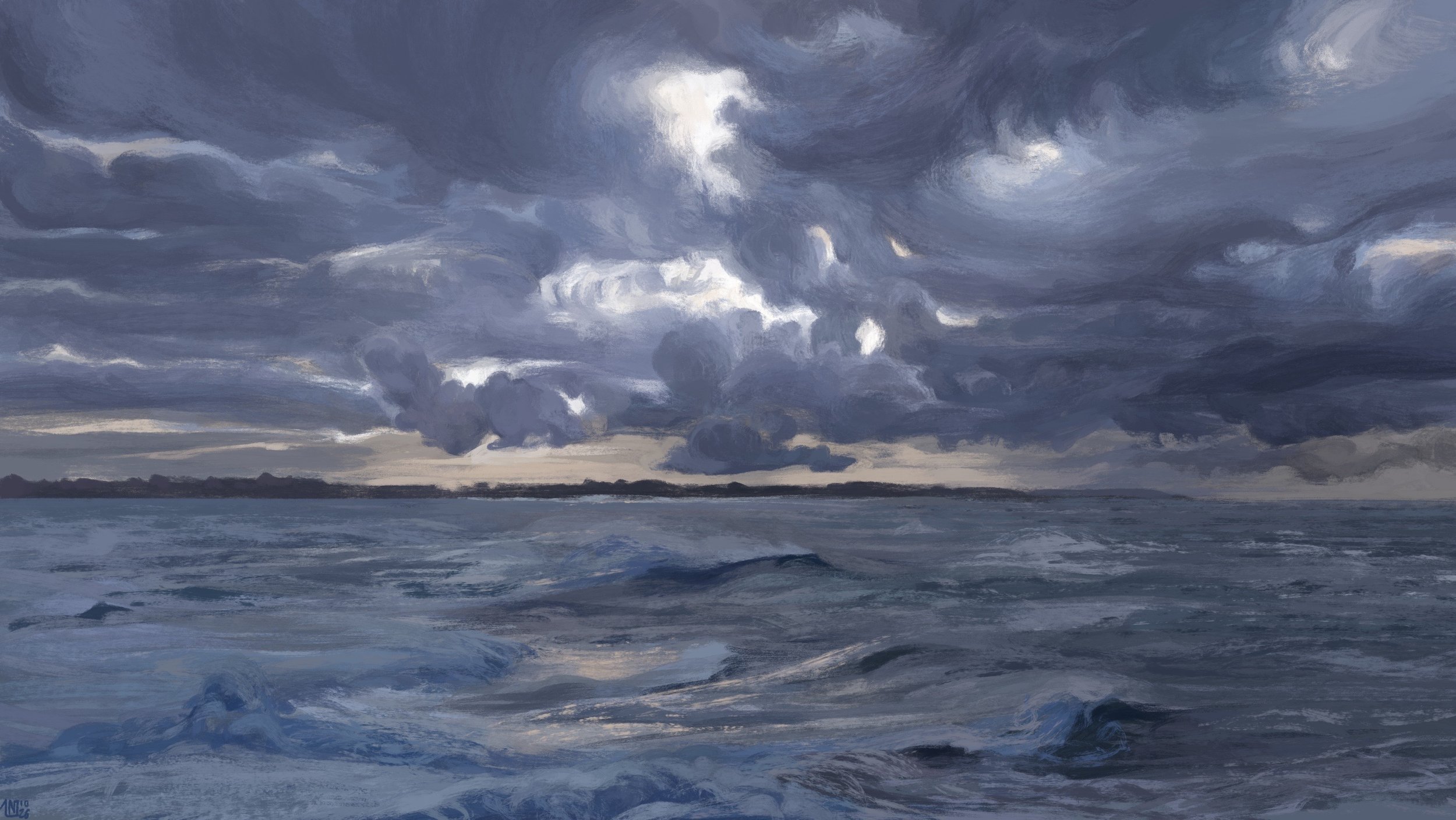
We report: on the long tail of this week’s storm, the wind still has big teeth. It is raking the sea, throwing sea foam into the air. When there is a lull in the weather, the smell of the ocean is overwhelming; the storm must have disturbed some creatures of the abyss.
October 23rd
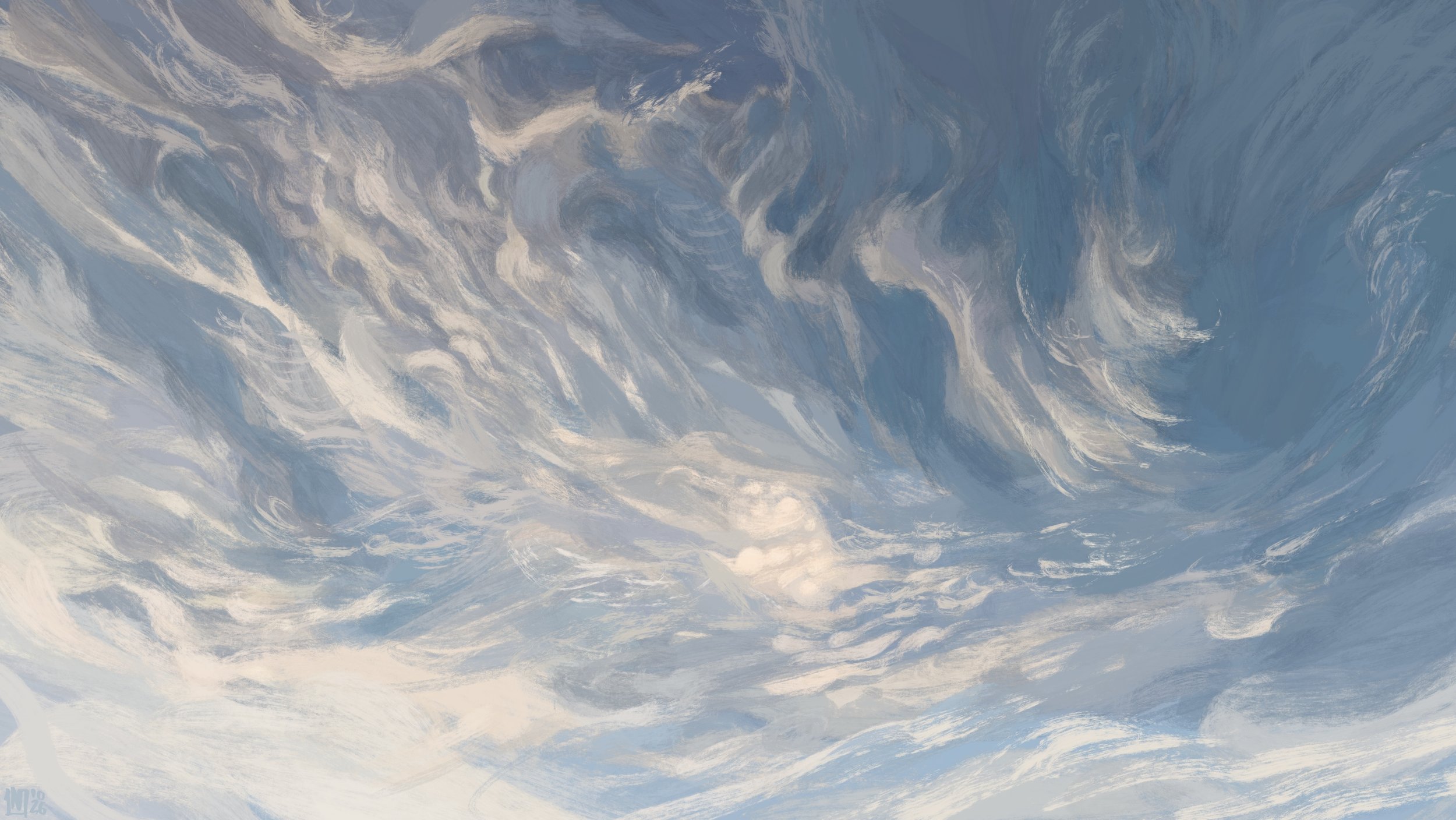
We report: later on, the sky is still working to sort itself out, all its pieces scattered every which way. The storm has moved on to the east, shaking some other trees that we do not know about. Many of the leaves of the trees we do know are on the ground now.
October 22nd
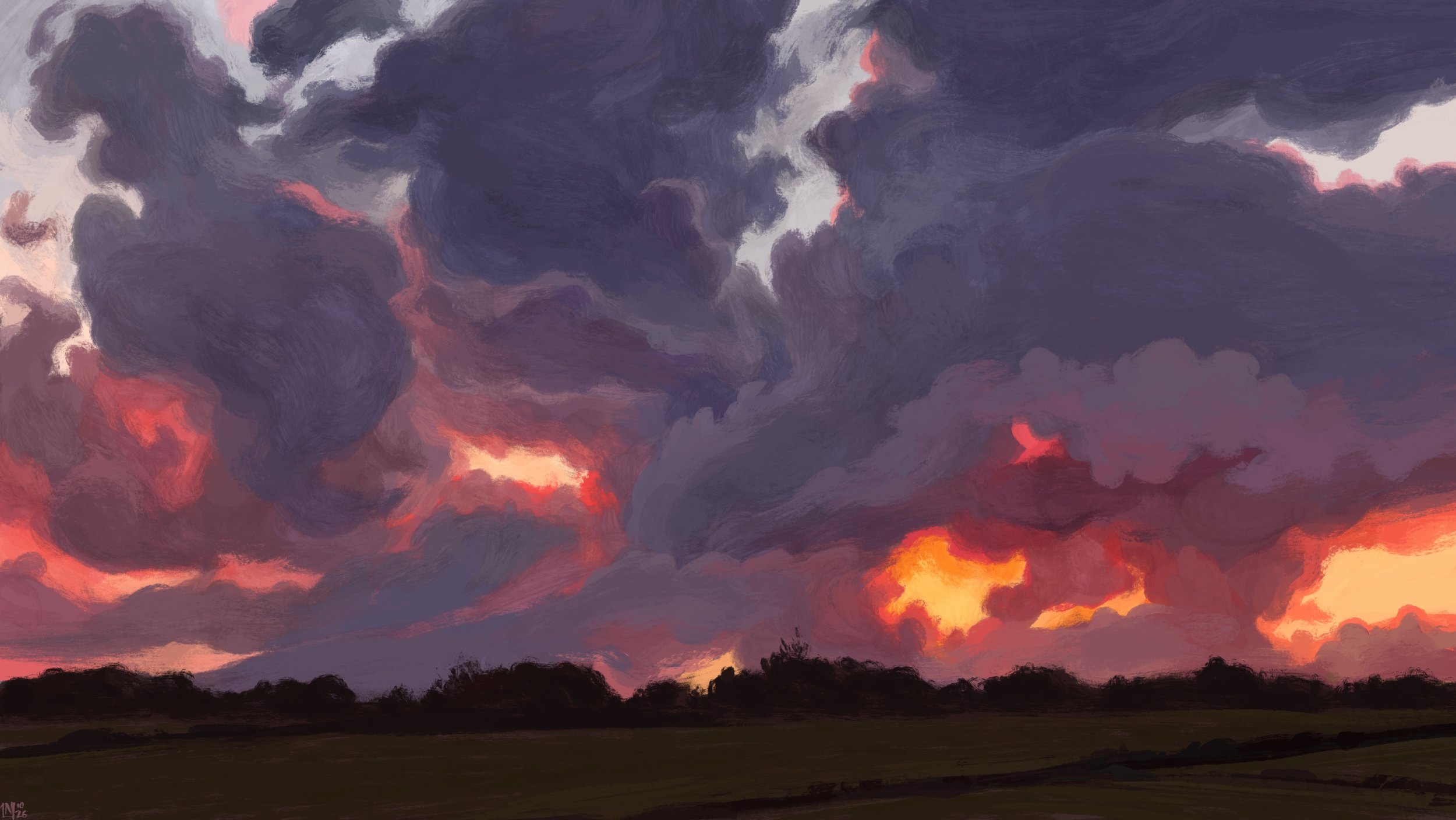
We report: the sunrise is a little furious, shaken out of the clouds instead of the expected slow reveal. The clouds are also mangled and mean, moving fast, shredding in the strong wind gusts. We had trouble sleeping through the groaning and creaking of a stormy night.
October 21st
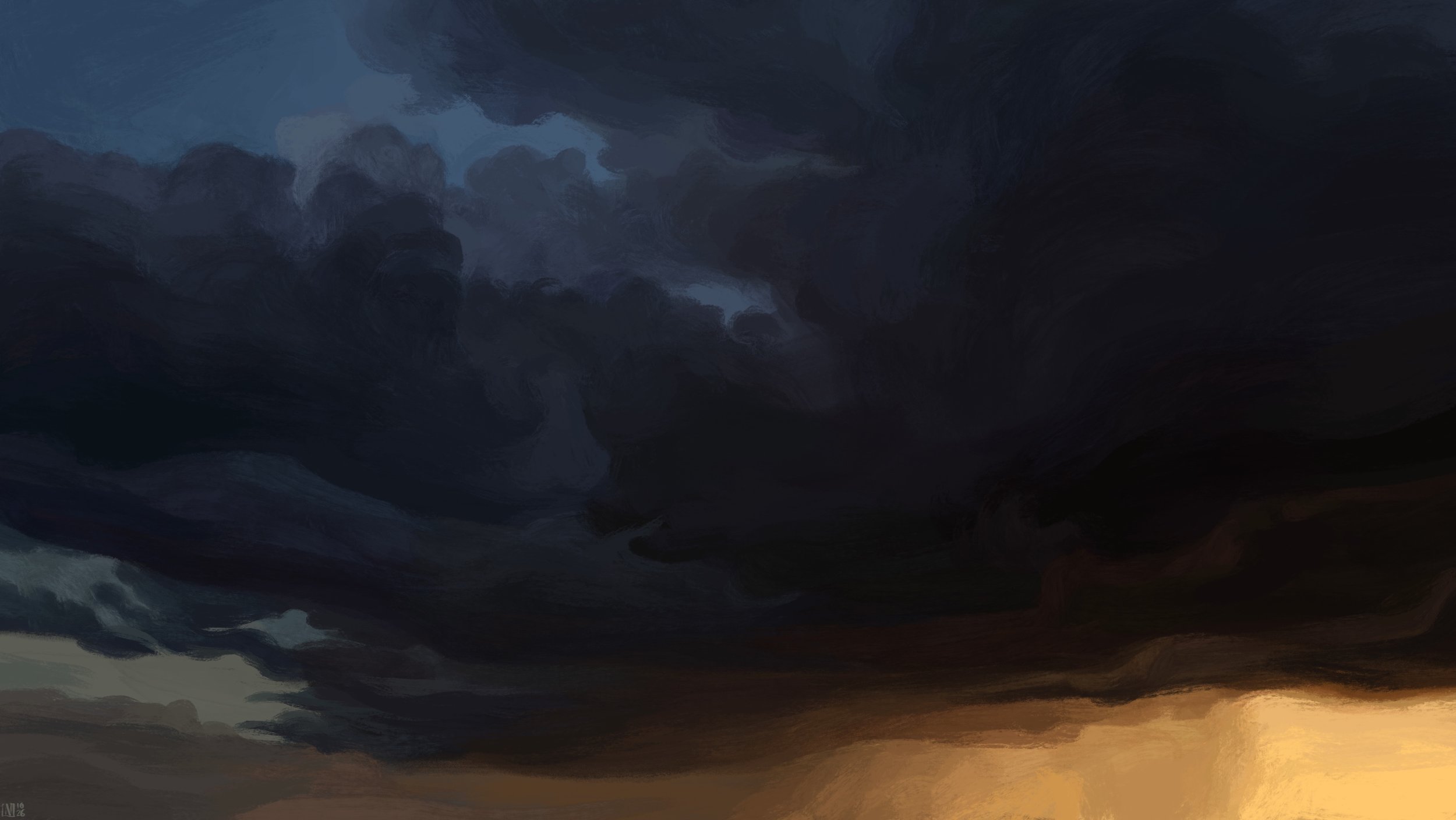
We report: the sky was still bright when we got on the train. We watched the slow spread of ink over the clouds, the gilding of the horizon, and the rain advancing our way - or rather, we are coming to the rain. Just like this, when we get off the train, it is a different world.
October 20th
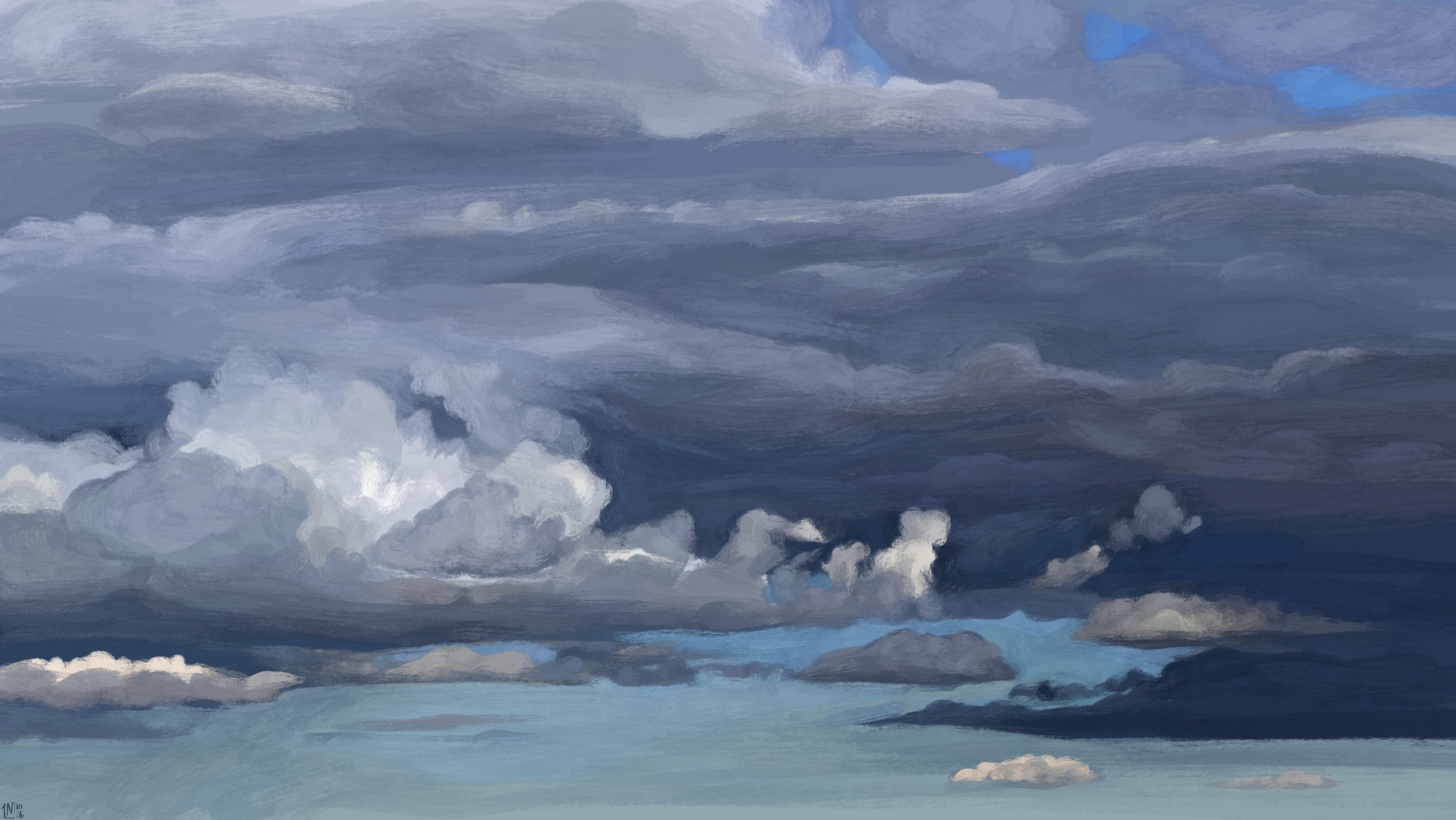
We report: it is a salty, cold wind by the sea on the approach of our first autumn storm. Our face burns when we get out of the weather, and we feel exhausted after only a few minutes out there. The wind is getting in through a small gap in the car window, whistling sharply.
October 19th
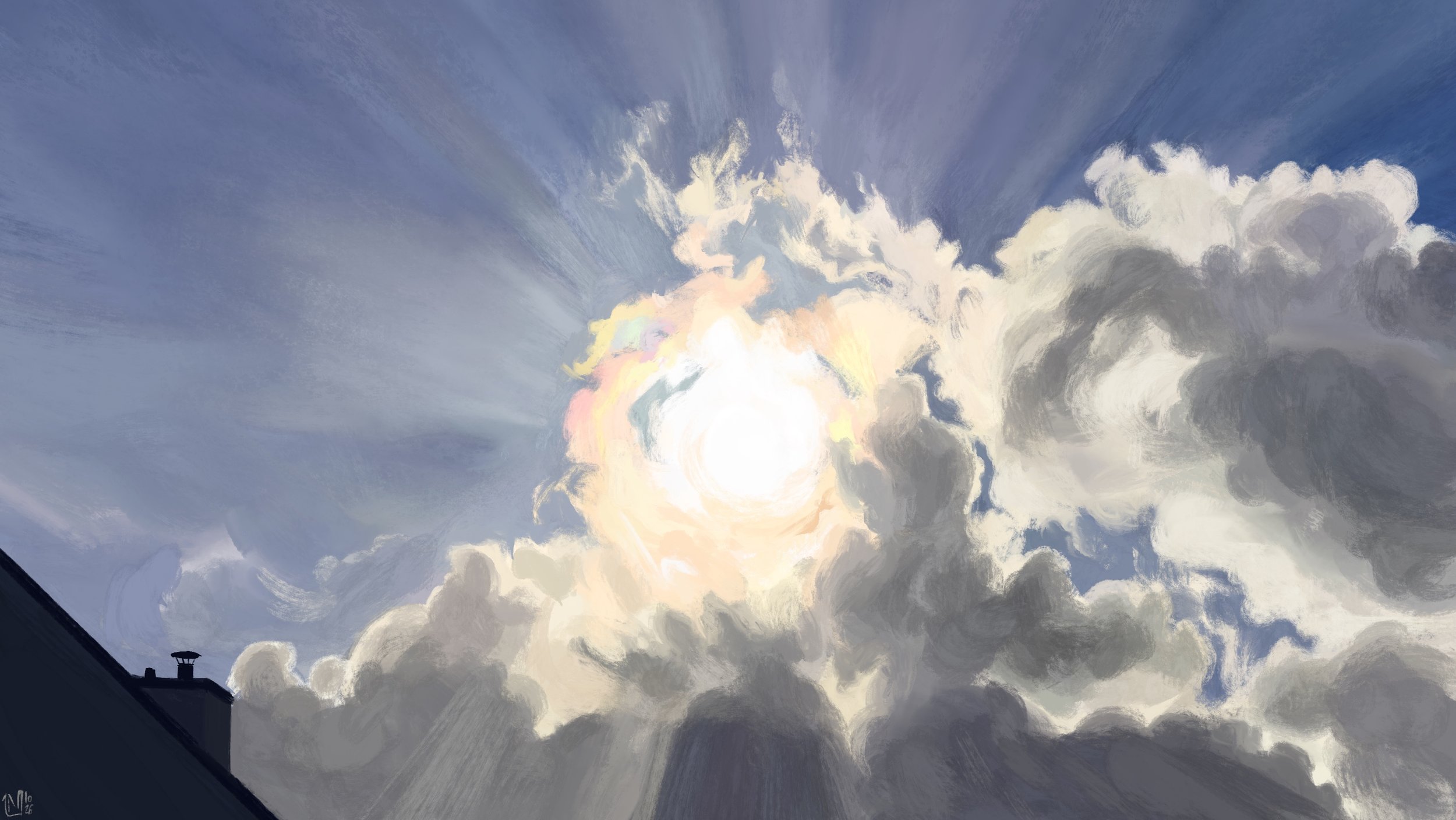
We report: if we walk for a little while, we do warm up, but it is chilly. We thought that the sun would be out for the whole afternoon, but for some reason, the clouds remain exactly at the level where they are able to hide it. It is just visible enough to obstruct our eyes.
October 18th
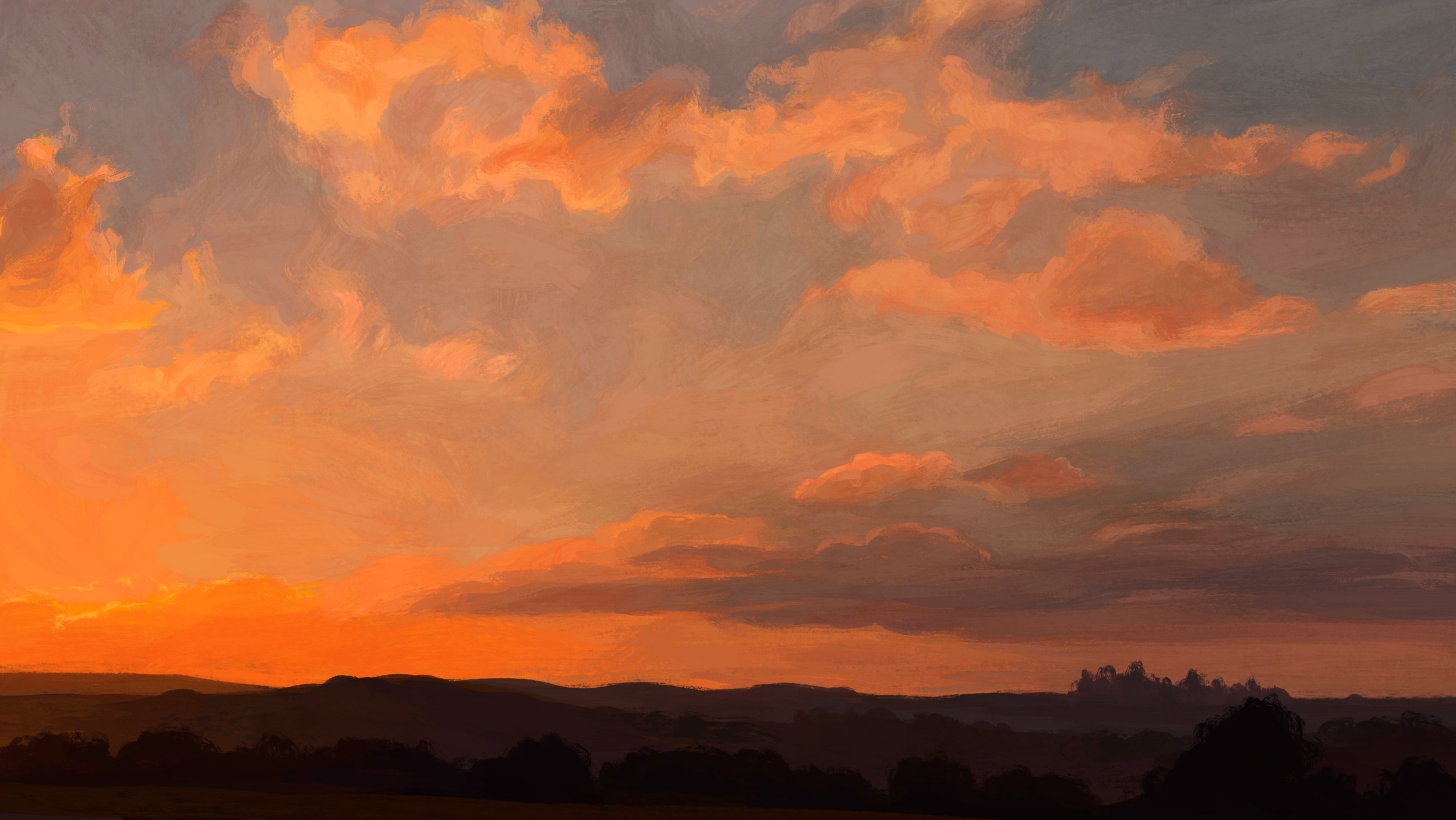
We report: later on, it starts pouring, but only after the sun has really finished setting. Our expert confirms it; the sun is below the horizon, and we are even a few paces into nautical twilight by the time any raindrops can be felt. We are completely taken by surprise.
October 17th
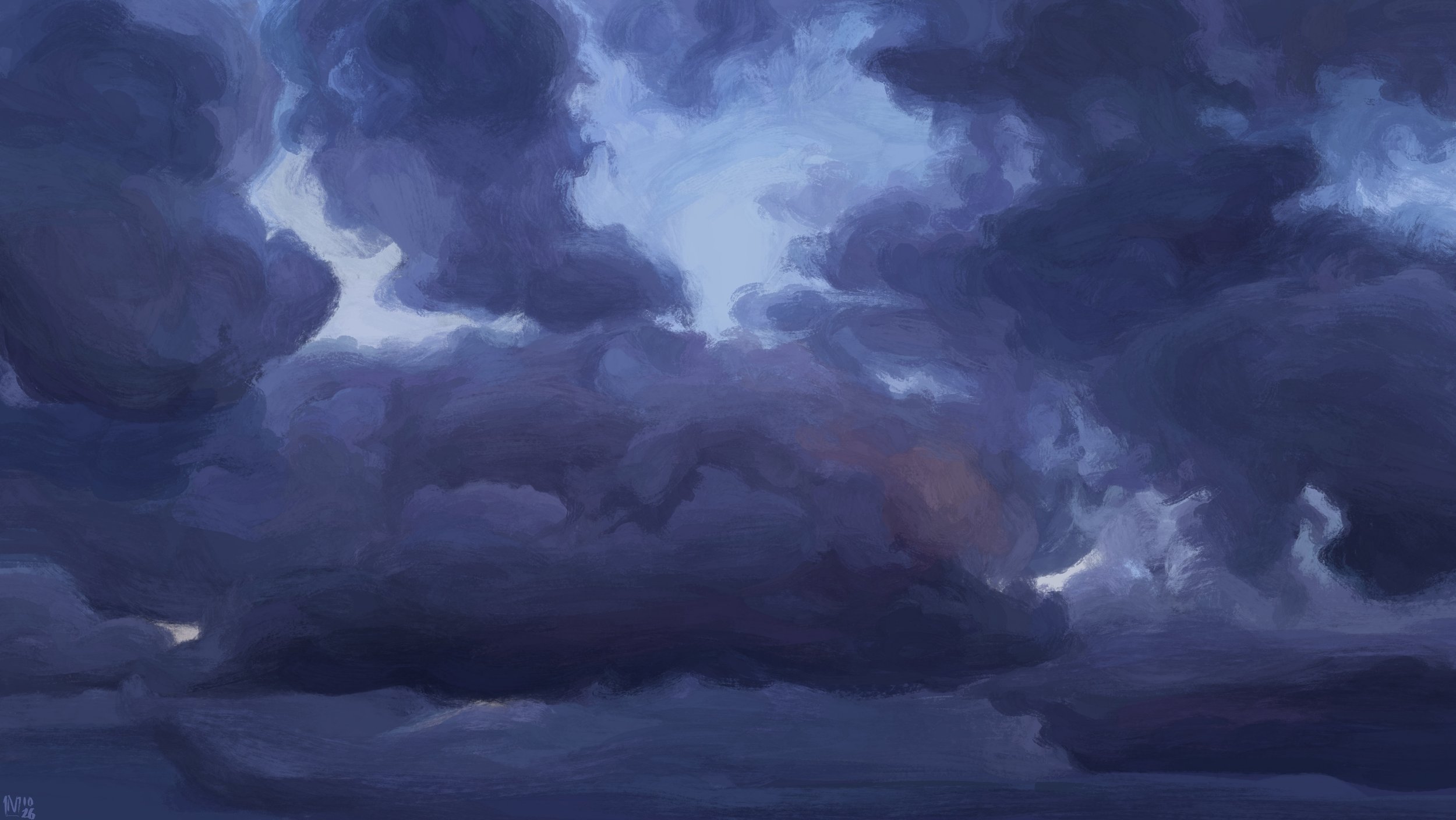
We report: this morning, it is cold in a way that made us think we had forgotten how it felt to be cold. Our hands are as deep into our pockets as they will go, and we have already sneezed twice in a row. It is windy too, so we are tearing up. We do regret going out a little bit.
October 16th
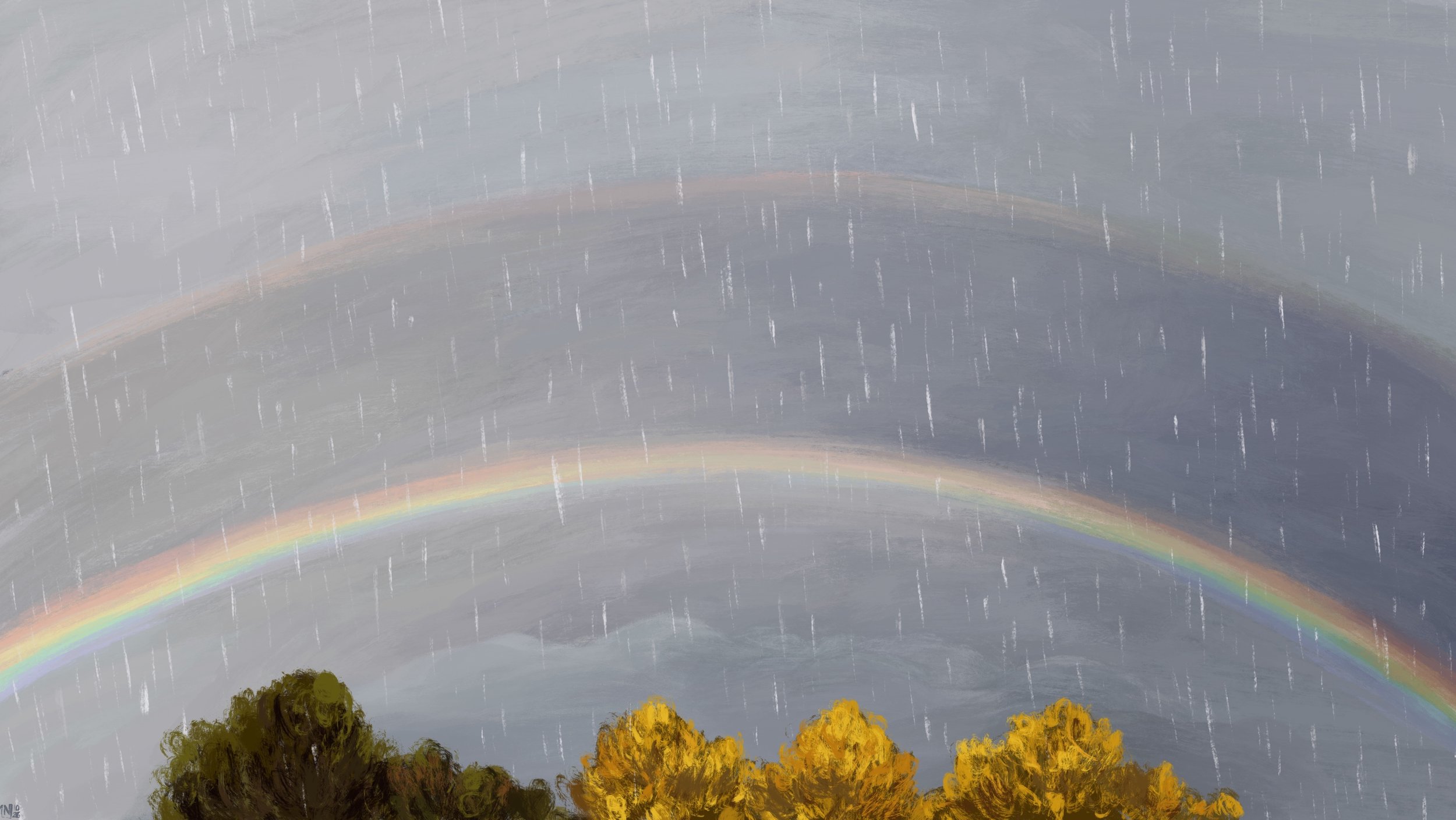
We report: this is a kind of sky we see in autumn too. With the rain streaming down our face, and the sun in our eyes, we cannot even bring ourselves to put the hood of our jacket on. It feels like we should properly acknowledge our first rainbows of the season.
October 15th
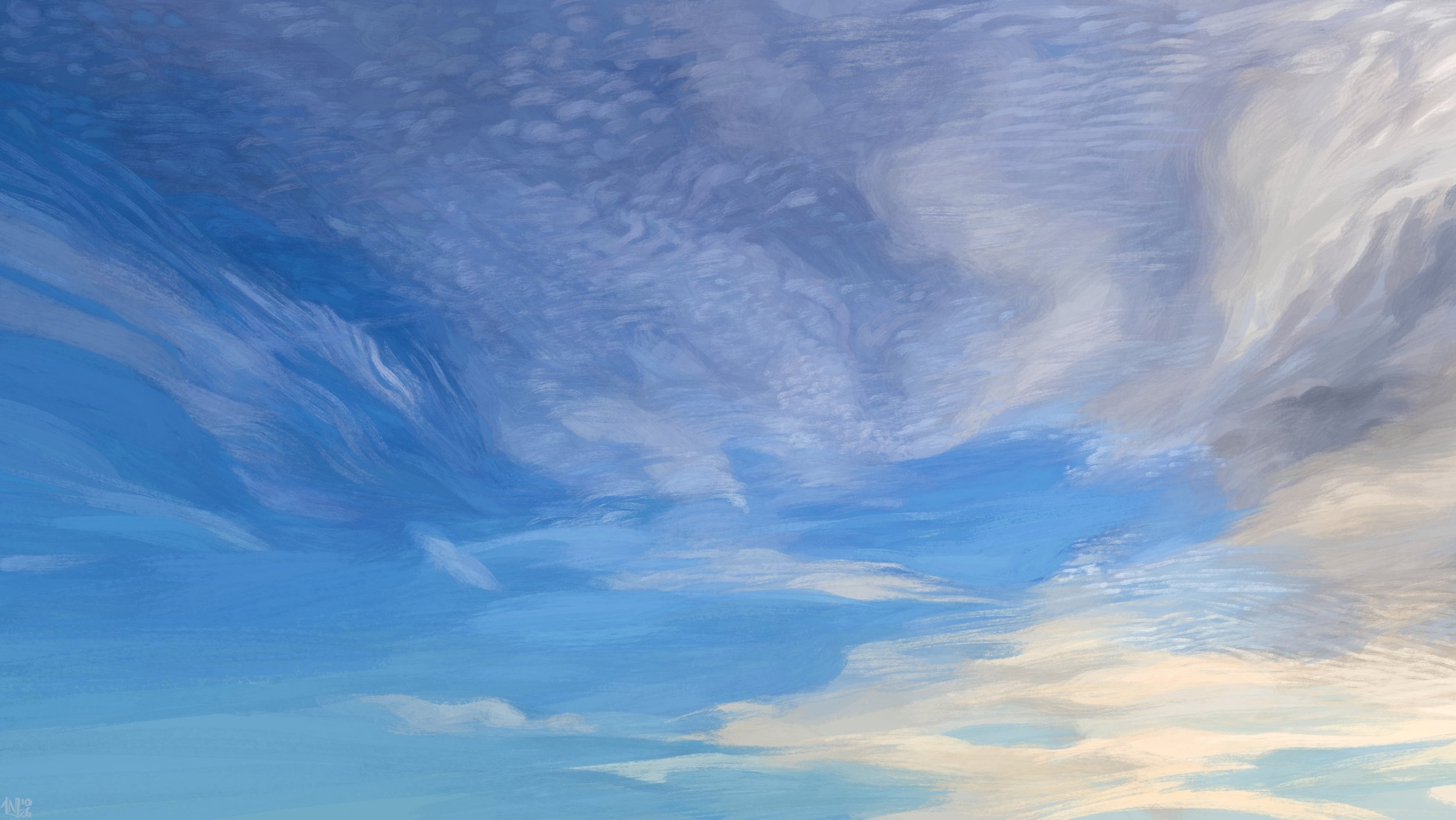
We report: it is a warm, but it does not feel at all like summer anymore. The mild wind is at times taken by sudden cold spots, and there really is that distinct autumn smell constantly in the air now. Our expert has begun collecting fallen leaves, their eyes fixed on the ground.
October 14th
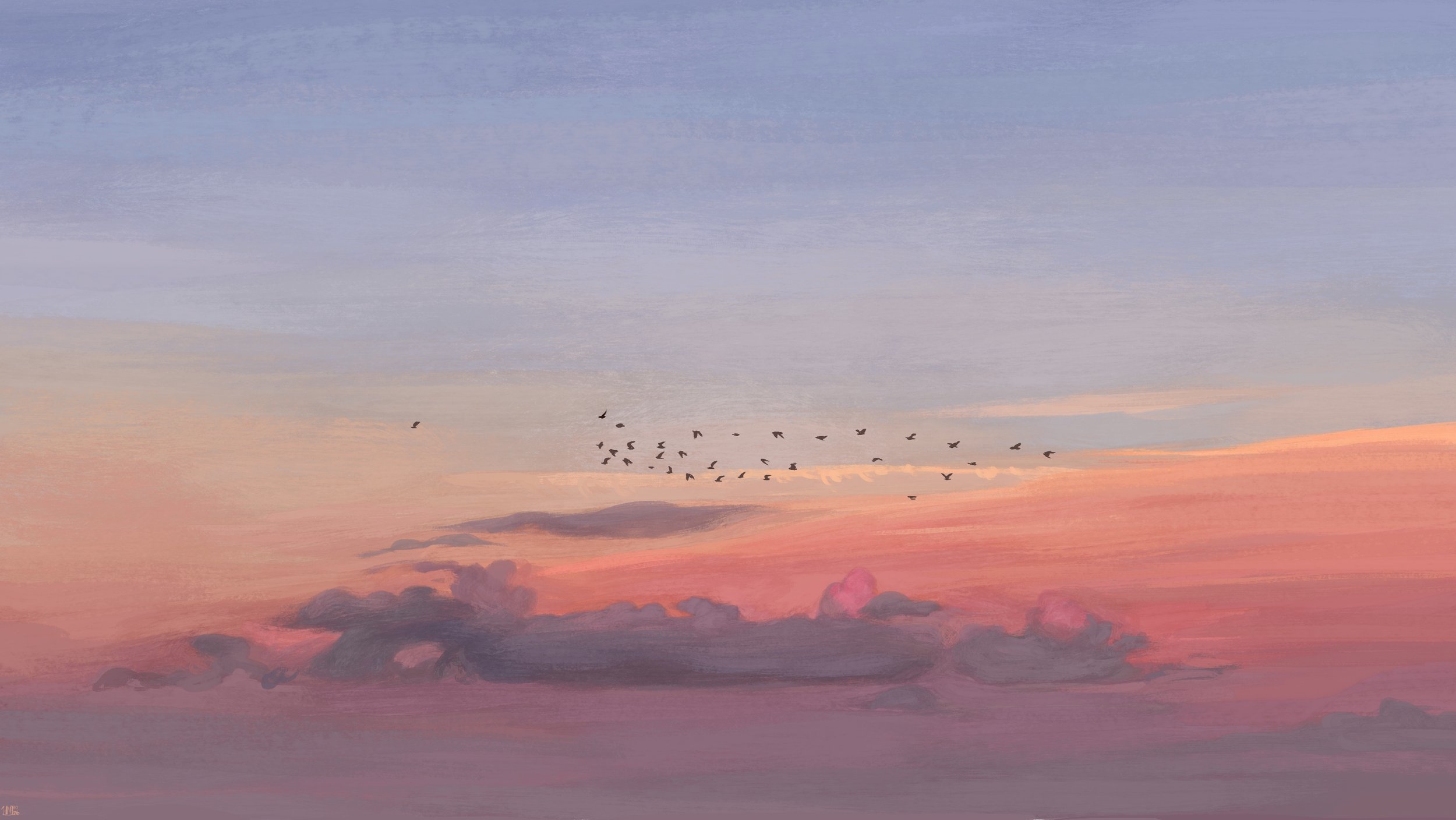
We report: from this far, we can tell these are gulls (since we can hear them as well), but we cannot tell what kind of gulls they are. We wonder if they are heading south, or if they are just arriving from up north to winter here. It is very humid tonight; we expect fog.
October 13th
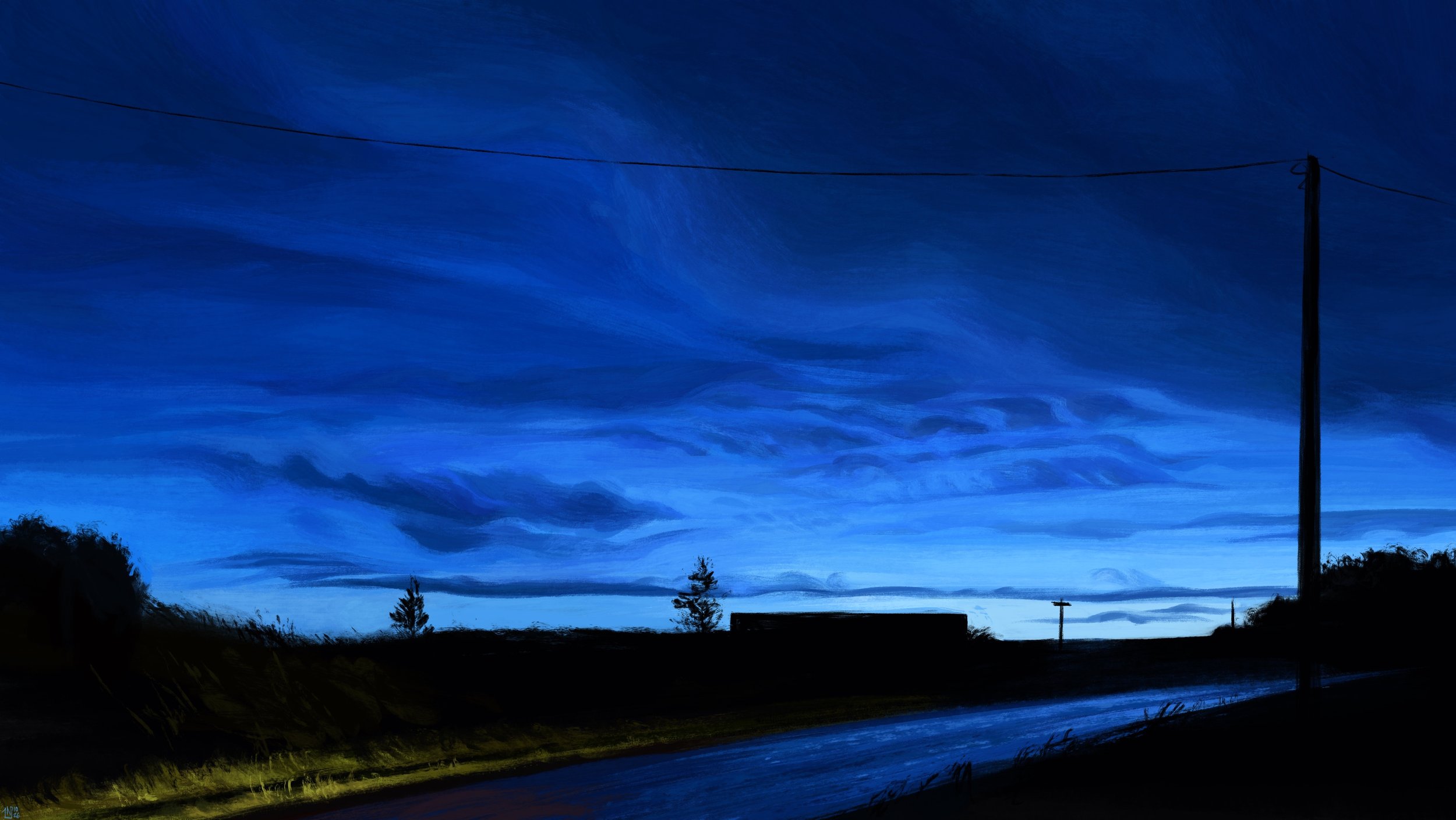
We report: as the sky is slowly clearing up at nightfall, dusk is dragging on over the hour (one step forward and two steps back). In the east, the sky is already completely dark, still wrapped up in clouds. It is difficult to tell, but it might also still be raining there.
October 12th
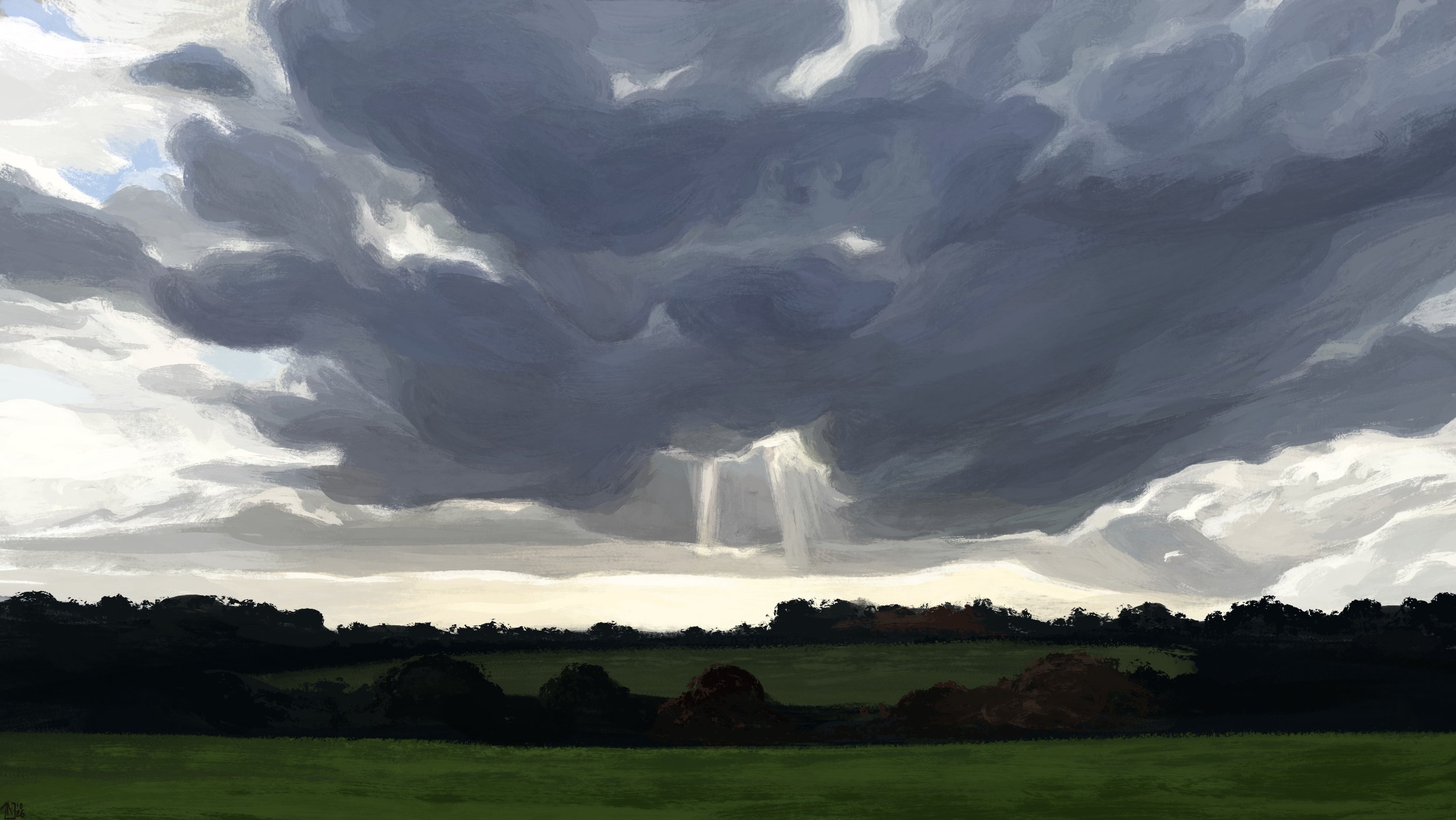
We report: there was drizzle through the night, and the sky remained overcast through the morning after. It even got a little darker. We realised that the sun is now consistently low enough in the sky that, even at noon, it does not get as bright. Many leaves have fallen lately.
October 10th
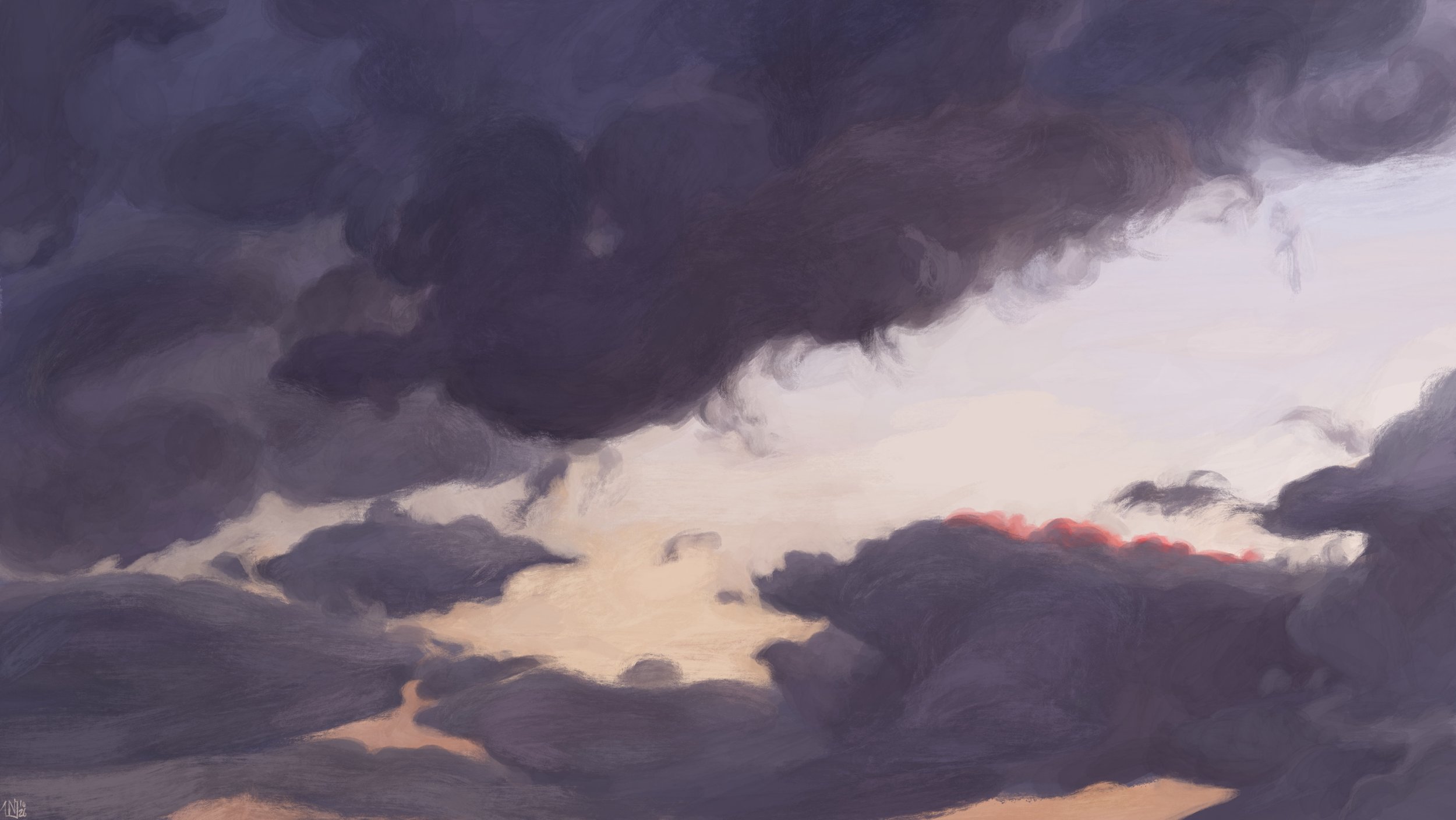
We report: we are here with our expert, watching a large flock of jackdaws scouring the fields in the east. They keep circling back to our spot. There are dozens of birds, their flight chaotic and unpredictable. We are here for a long time, so we get a bit of sunset colours too.
October 9th
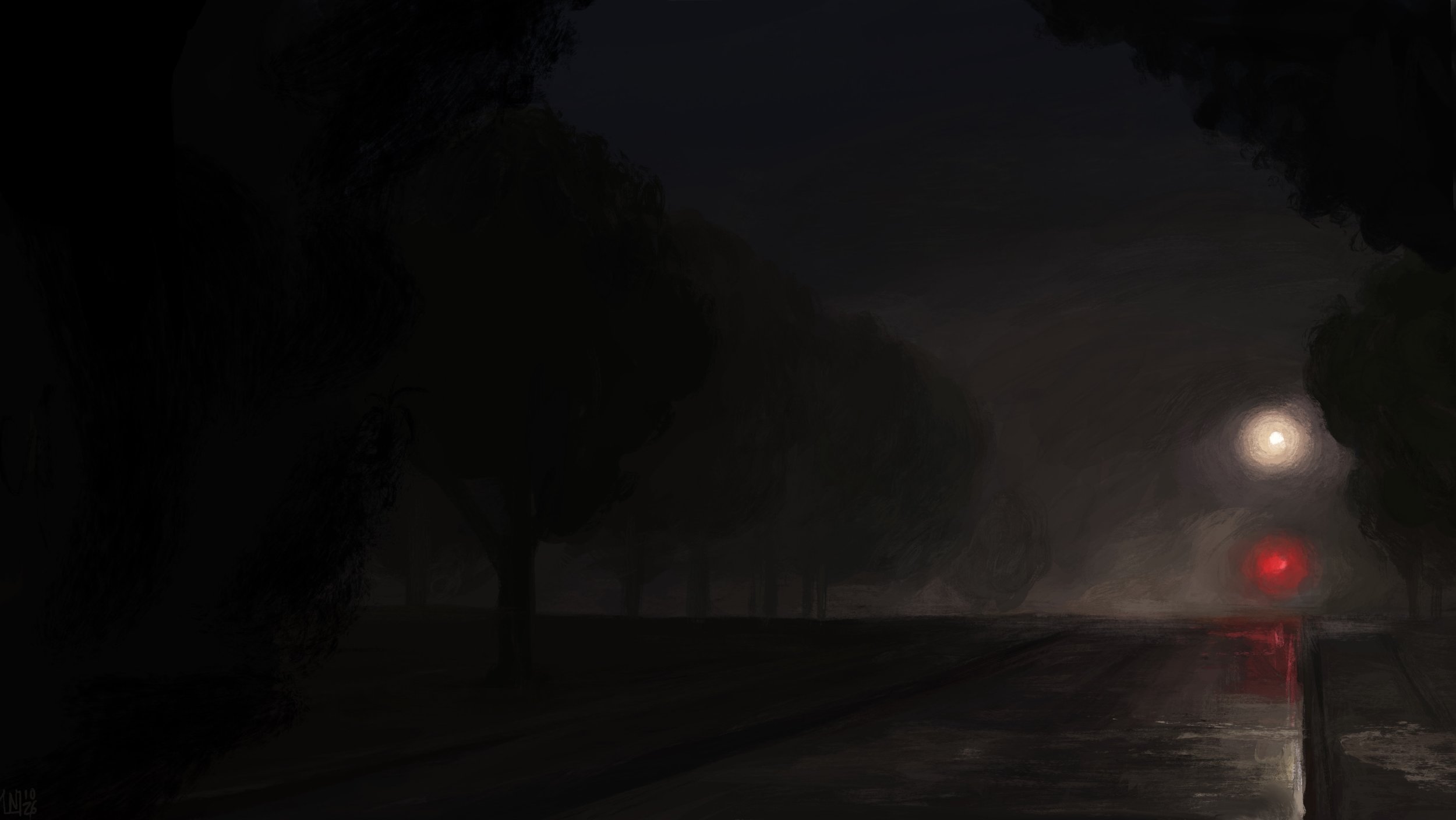
We report: it is the middle of the night, and we are alone in the street. When there are no cars, the rain is a murmur, minuscule drops that completely saturate the air. It makes the light sticky, rubbing onto the air and the asphalt. We do not quite recognise this part of town.
October 8th
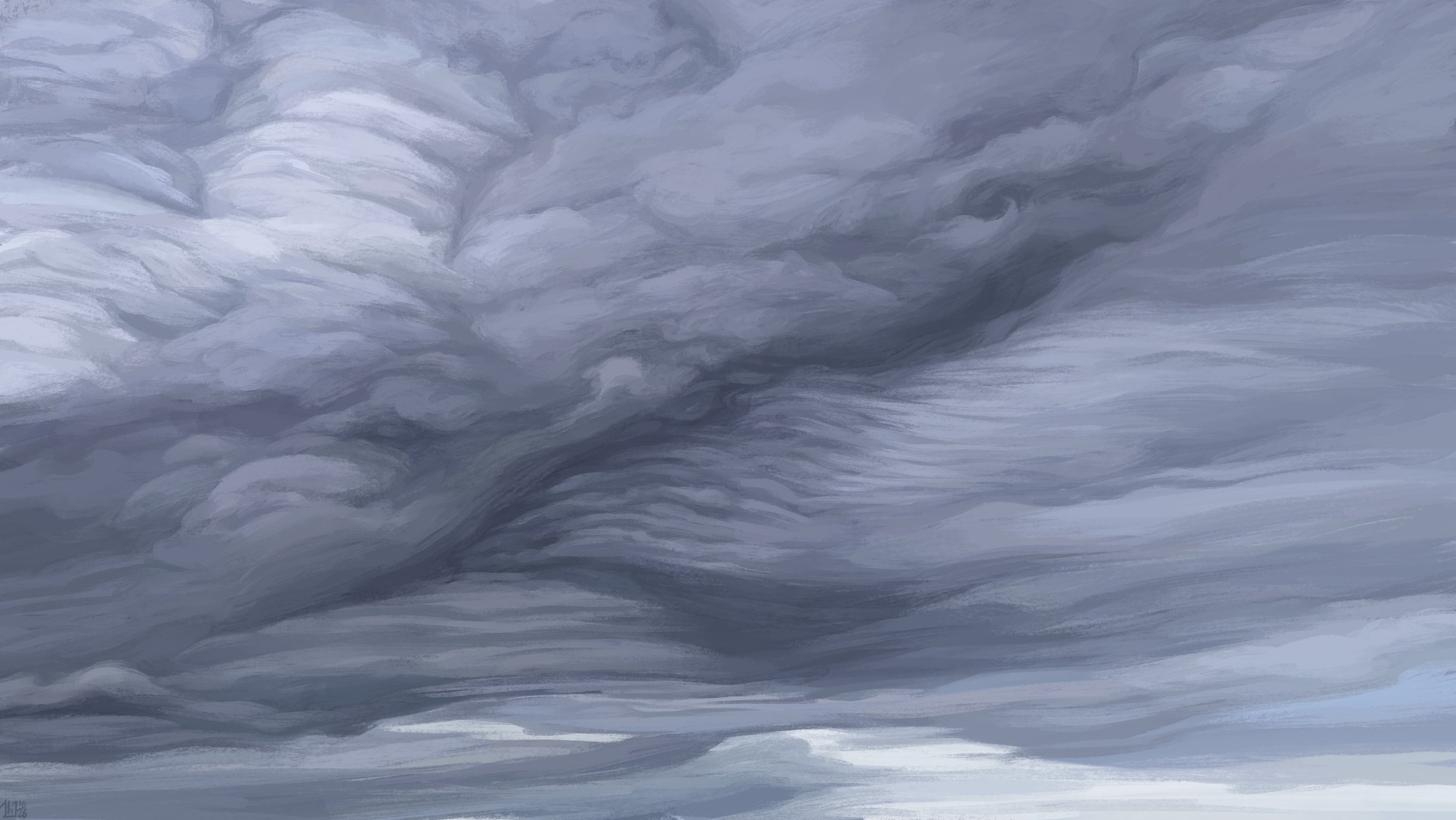
We report: we have been keeping an eye on the slow collapse of the sky. Our expert is comparing the state of each layer minute to minute, and there is a distinct bend in places where the weight is getting heavier. We do not know what we will do if it all ends up on the ground.
October 7th
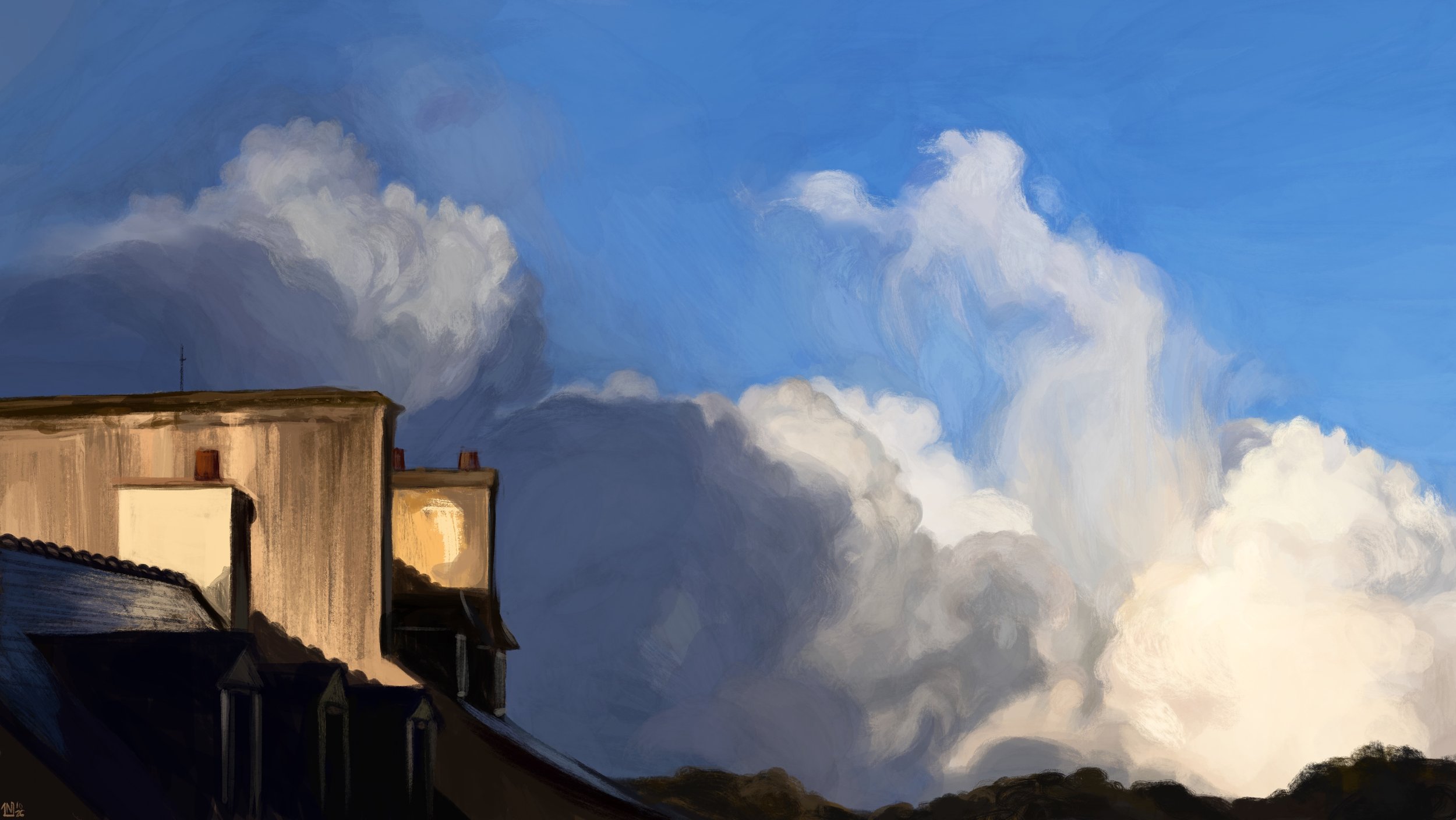
We report: in the past few days, we have come to the conclusion that our favourite pair of shoes is no longer waterproof. Upon close examination, we have noticed a gap between the midsole and the outsole of our left shoe. In the meantime, the clouds have kept on getting taller.
October 6th
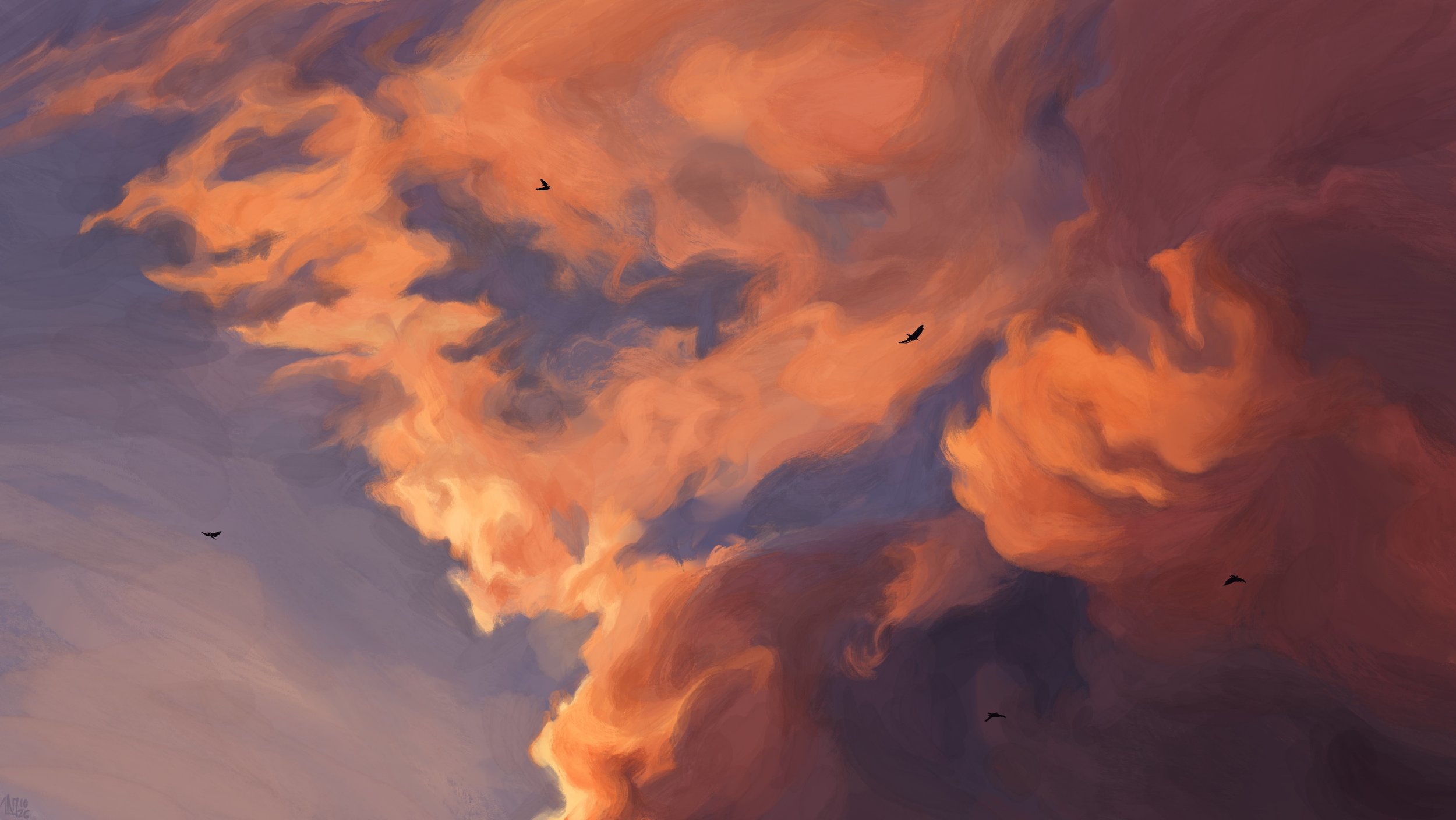
We report: after an afternoon of rain, and with the expectancy of a rainy night as well, the sun makes an appearance at sunset. Our expert has rolled down the car window, and it smells cold; the humidity is crisp instead of muggy. The light is warm in comparison.